Sei in: home » database dei legni


Fornitori
|
Ditta 5
Indirizzo: via dei platani 4 liguria Tel.: +39 456 5664 54 Sito web: www.pippo.it E-mail: pippo at libero.it |
|
Ditta 4
Indirizzo: via dei platani 4 liguria Tel.: +39 456 5664 54 Sito web: www.pippo.it E-mail: pippo at libero.it |
|
Ditta 3
Indirizzo: via dei platani 4 liguria Tel.: +39 456 5664 54 Sito web: www.pippo.it E-mail: pippo at libero.it |
|
Ditta 2
Indirizzo: via dei platani 4 liguria Tel.: +39 456 5664 54 Sito web: www.pippo.it E-mail: pippo at libero.it |
|
Ditta 1
Indirizzo: via dei platani 4 liguria Tel.: +39 456 5664 54 Sito web: www.pippo.it E-mail: pippo at libero.it |
|
Ditta 0
Indirizzo: via dei platani 4 liguria Tel.: +39 456 5664 54 Sito web: www.pippo.it E-mail: pippo at libero.it |
Contatti
database dei legni


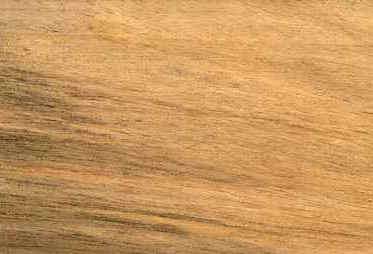
Grey milkwood (Cerbera dilatata)
Family: Apocynaceae Common names: Grey milkwood Distributed in: Australia (Oceania and S.E. Asia) Common uses: Food containers, Furniture , Furniture components, Interior construction, Interior trim, Matches, Moldings, Shutters, Utility furniture, Veneer, Wooden shoes Environment profile: The environmental status of this species within its natural habitat is currently unknown Tree size: Trunk diameter is 100-150 cm
Colors: the heart isYellow, Yellowish - gray and the sapwoodWhite, Yellow.The grain isWavy, the textureMediumand the lusterMedium
Natural durability: Straight, Very durable Kiln Drying Rate: Naturally dries slowly Drying Defects: Distortion, Splitting Ease of Drying: Slowly Blunting Effect: Little Boring: Poor to very poor results Carving: Poor to Very Poor Results Cutting Resistance: Easy to saw
Gluing: Fairly Easy to Very Easy Mortising: Fairly Difficult to Very Difficult
Moulding: Fairly Difficult to Very Difficult
Movement in Service: Fairly Difficult to Very Difficult
Nailing: Fair to Good , Fairly Easy to Very Easy Planing: Fairly Easy to Very Easy Resistance to Impregnation: Resistant sapwood Response to hand tools: Fairly Difficult to Difficult to Work Routing recessing: Fairly Difficult to Very Difficult
Sanding: Fairly Difficult to Very Difficult
Veneering qualities: Difficult to veneer
Steam bending: Poor to Very Poor Results
Screwing: Fair to Good Results, Fairly Easy to Very Easy; Turning: Fairly Easy to Very Easy
Painting: Fairly Easy to Very Easy; Polishing: Very Good to Excellent; Staining: Fairly Easy to Very Easy; Varnishing: Fairly Easy to Very Easy;
Soft Density (dry weight) = 31-37 lbs/cu. ft. Compression strength (parallel to grain) = low Can be dented and marred easily Bending strength (MOR) = low Bolza, E. and N. H. Kloot.1963.The Mechanical Properties of 174 Australian Timbers.Technological Paper No. 25.Division of Forest Products, Commonwealth Scientific and Industrial Research Organization, Melbourne, Australia. |

*Come interpretare i dati (manleva su eventuali imprecisioni)
Messenger id: XXXXXXXXXX - Skype id: XXXXXXXXX
Copyright © 2026 | P.IVA 01158930998 Perito Camera di Commercio di Genova n.1917 settore Legnami e Pavimenti in legno

