Sei in: home » database dei legni


Fornitori
|
Ditta 5
Indirizzo: via dei platani 4 liguria Tel.: +39 456 5664 54 Sito web: www.pippo.it E-mail: pippo at libero.it |
|
Ditta 4
Indirizzo: via dei platani 4 liguria Tel.: +39 456 5664 54 Sito web: www.pippo.it E-mail: pippo at libero.it |
|
Ditta 3
Indirizzo: via dei platani 4 liguria Tel.: +39 456 5664 54 Sito web: www.pippo.it E-mail: pippo at libero.it |
|
Ditta 2
Indirizzo: via dei platani 4 liguria Tel.: +39 456 5664 54 Sito web: www.pippo.it E-mail: pippo at libero.it |
|
Ditta 1
Indirizzo: via dei platani 4 liguria Tel.: +39 456 5664 54 Sito web: www.pippo.it E-mail: pippo at libero.it |
|
Ditta 0
Indirizzo: via dei platani 4 liguria Tel.: +39 456 5664 54 Sito web: www.pippo.it E-mail: pippo at libero.it |
Contatti
database dei legni


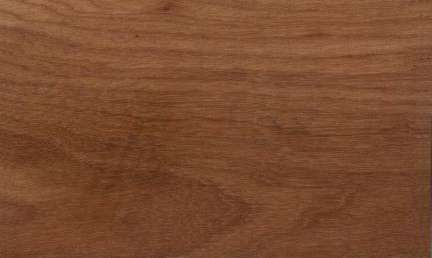
Mampat (Cratoxylon formosum)
Family: Guttiferae Common names: Mampat Distributed in: Philippines (Oceania and S.E. Asia) Distribution overview: Southeast Asia in the Malay Peninsula and the Philippines. Common uses: Beams, Charcoal, Cooperages, Fuelwood, Poles, Posts, Tool handles Product sources: Timber-sized trees of Mampat are too scarce for the species to be seriously considered as an important source of sawn timber. Environment profile: Status unknown in many of its growth areas Tree size: Tree height is 30-40 m
Colors: the heart isReddish brown, Yellowand the sapwoodWhite, Yellow.The grain isVariable figure, the textureFine and uniformand the lusterMedium
Natural durability: Resistant to powder post beetles, Susceptible to insect attack Odor: No specific smell or taste
Silica Content: Likely to have significant impact on machining Kiln Drying Rate: Naturally dries quickly
Drying Defects: Distortion
Ease of Drying: Rapidly Comments: Generally hard and heavy Mampat timbers which are reported to consist of C. formosum and C Blunting Effect: Little
Boring: Fairly easy to very easy Cutting Resistance: Easy to saw
Gluing: Fairly Easy to Very Easy
Mortising: Fairly Easy to Very Easy
Moulding: Fairly Easy to Very Easy
Movement in Service: Fairly Easy to Very Easy
Nailing: Pre-Boring Recommended, Very Good to Excellent Planing: Very Good to Excellent Resistance to Impregnation: Resistant sapwood Response to hand tools: Easy to Work
Veneering qualities: Veneers easily, Veneers moderately easy Steam bending: Unsuitable
Screwing: Fairly Easy to Very Easy, Very Good to Excellent Results; Turning: Fairly Easy to Very Easy
Painting: Fair to Good; Polishing: Very Good to Excellent; Staining: Very Good to Excellent;
Very heavy Desch, H. E. 1957. Manual of Malayan Timbers - Volume I. Malayan Forest Records, No. 15. Malaya Publishing House Ltd., Singapore.Schneider, E.E. 1916. Commercial Woods of the Philippines: Their Preparation and Uses. Bulletin No. 14. Department of the Interior, Bureau of Forestry, Manila, Philippines. |

*Come interpretare i dati (manleva su eventuali imprecisioni)
Messenger id: XXXXXXXXXX - Skype id: XXXXXXXXX
Copyright © 2026 | P.IVA 01158930998 Perito Camera di Commercio di Genova n.1917 settore Legnami e Pavimenti in legno

